
10 Signs Your Home Needs Exterior Wood Repair Before Hurricane Season
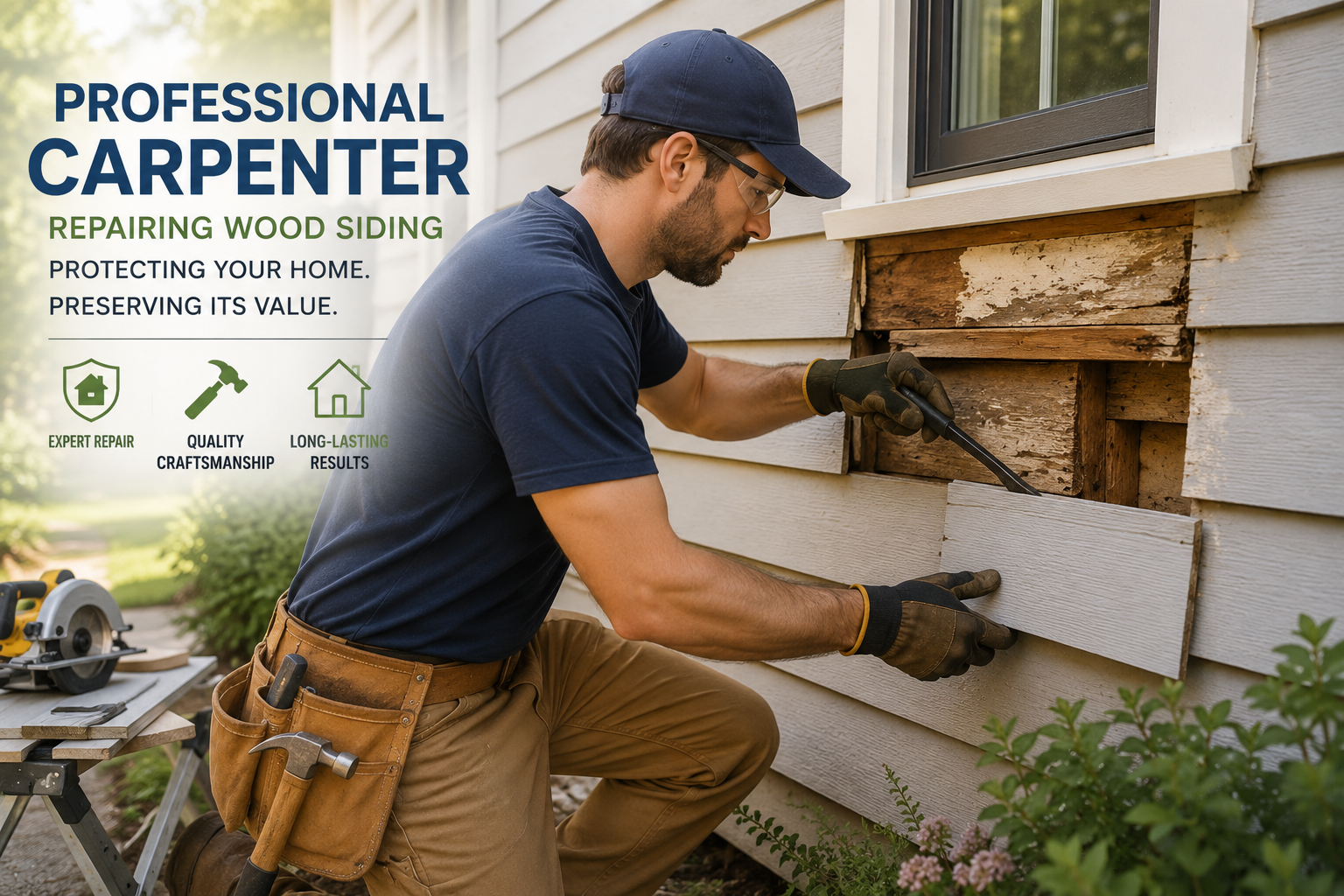
Houston homeowners know that hurricane season brings more than just heavy rain and strong winds—it can expose weaknesses in your home’s exterior that have developed over time. While roofing and windows often receive the most attention, damaged exterior wood is one of the most overlooked vulnerabilities. Rotting trim, deteriorating fascia boards, and weakened siding can allow water to penetrate your home, leading to costly repairs that could have been prevented.
The months leading up to hurricane season are the ideal time to inspect your home’s exterior and address any damaged wood before severe weather arrives. If you notice any of the following warning signs, it’s time to schedule professional exterior wood repair.
1. Soft or Spongy Wood
One of the clearest indicators of wood rot is wood that feels soft when pressed with a screwdriver or your finger. Healthy wood should be firm and solid. If it compresses easily or feels spongy, moisture has likely penetrated the material and begun breaking it down.
Soft wood is no longer structurally sound and can quickly deteriorate during heavy rains and high winds common throughout Houston’s hurricane season.
2. Peeling or Bubbling Paint
Many homeowners assume peeling paint is simply a cosmetic issue. In reality, bubbling or flaking paint often indicates moisture trapped beneath the surface.
When water becomes trapped behind paint, it accelerates wood deterioration and creates ideal conditions for rot. Repairing the damaged wood before repainting ensures the problem is solved rather than simply covered up.
3. Cracked or Split Trim Boards
Houston’s intense summer heat, humidity, and seasonal temperature fluctuations cause exterior wood to expand and contract over time. Eventually, trim boards around windows, doors, and rooflines may crack or split.
Even small cracks provide an entry point for moisture. During hurricane season, wind-driven rain can force water deep into these openings, causing hidden structural damage.
4. Rotting Fascia or Soffits
Your fascia boards and soffits protect the edge of your roof and help ventilate your attic. Because they’re constantly exposed to rainwater and humidity, they’re among the first areas to develop wood rot.
Signs include:
- Soft wood
- Sagging sections
- Peeling paint
- Dark discoloration
- Visible decay
Ignoring fascia damage can eventually affect your roof structure and lead to water intrusion inside your home.
5. Warped or Loose Siding
Wood siding should sit flat against your home’s framing. If boards begin pulling away, warping, or bowing outward, moisture is often the culprit.
Warped siding compromises your home’s weather barrier, making it easier for rainwater to penetrate the wall assembly during severe storms.
6. Visible Mold, Mildew, or Water Stains
Dark stains, mildew growth, or mold appearing on exterior wood often indicate prolonged moisture exposure.
While mold itself doesn’t always mean the wood has rotted, it is a warning sign that moisture is consistently present. Left untreated, this environment eventually leads to wood decay and more extensive repairs.
7. Gaps Around Windows and Doors
Over time, deteriorating trim and wood framing can create gaps around windows and exterior doors.
These openings allow water, humid air, and even insects to enter your home. During a hurricane or severe thunderstorm, these small gaps can become significant points of water intrusion.
Replacing damaged wood and properly sealing these areas helps protect both your home’s structure and energy efficiency.
8. Wood Damage from Insects
Houston’s warm climate makes homes particularly susceptible to termites, carpenter ants, and other wood-destroying insects.
Watch for signs such as:
- Small holes in wood
- Hollow-sounding boards
- Sawdust-like material
- Visible insect activity
Insect damage weakens structural wood and often occurs alongside moisture problems. Addressing both issues before hurricane season helps restore your home’s strength.
9. Sagging Porch Railings or Columns
Exterior columns, porch posts, and railings are exposed to the elements year-round. If these components begin leaning, sagging, or feeling unstable, damaged wood could be the underlying cause.
Not only is this a safety concern, but weakened structural components are also more vulnerable to failure during strong winds.
10. Your Exterior Wood Hasn’t Been Inspected in Years
Sometimes the biggest warning sign is simply time.
Many forms of wood deterioration begin beneath paint or in areas that homeowners rarely inspect. If it’s been several years since your home’s trim, siding, fascia, or other exterior wood components were professionally evaluated, now is the perfect time.
A preventative inspection can identify small repairs before they become major reconstruction projects.
Why Exterior Wood Repair Is Essential Before Hurricane Season
Hurricane-force winds and driving rain place tremendous stress on every part of your home’s exterior. Damaged wood provides an easy pathway for water intrusion, which can lead to interior leaks, mold growth, insulation damage, and expensive structural repairs.
By repairing deteriorated wood before storm season begins, homeowners can:
- Protect their home’s structural integrity
- Reduce the risk of water damage
- Prevent expensive emergency repairs
- Improve energy efficiency
- Extend the lifespan of exterior paint and siding
- Maintain curb appeal and property value
Preventative maintenance is almost always less expensive than repairing storm-related damage after the fact.
Trust Experienced Craftsmen for Exterior Wood Repair in Houston
At Houston Home Contractors, we believe homeowners deserve honest recommendations, quality craftsmanship, and transparent pricing. Our experienced carpentry professionals repair damaged trim, fascia, soffits, siding, columns, and other exterior wood components to help protect your home from Houston’s demanding climate.
Because you work directly with skilled tradespeople instead of multiple layers of subcontractors, you’ll receive clear communication, efficient project timelines, and professional workmanship—without paying unnecessary contractor markups.
If you’ve noticed any of these warning signs, don’t wait until hurricane season is underway. Addressing exterior wood damage now can save you thousands in future repairs while keeping your home protected for years to come.